Call us:(86)13287951690


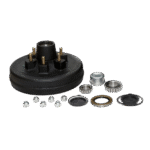
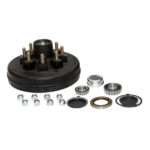
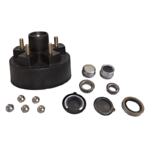
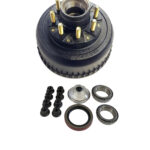
HT Holden Pattern&LM Holden Bearing-AU-850-A522

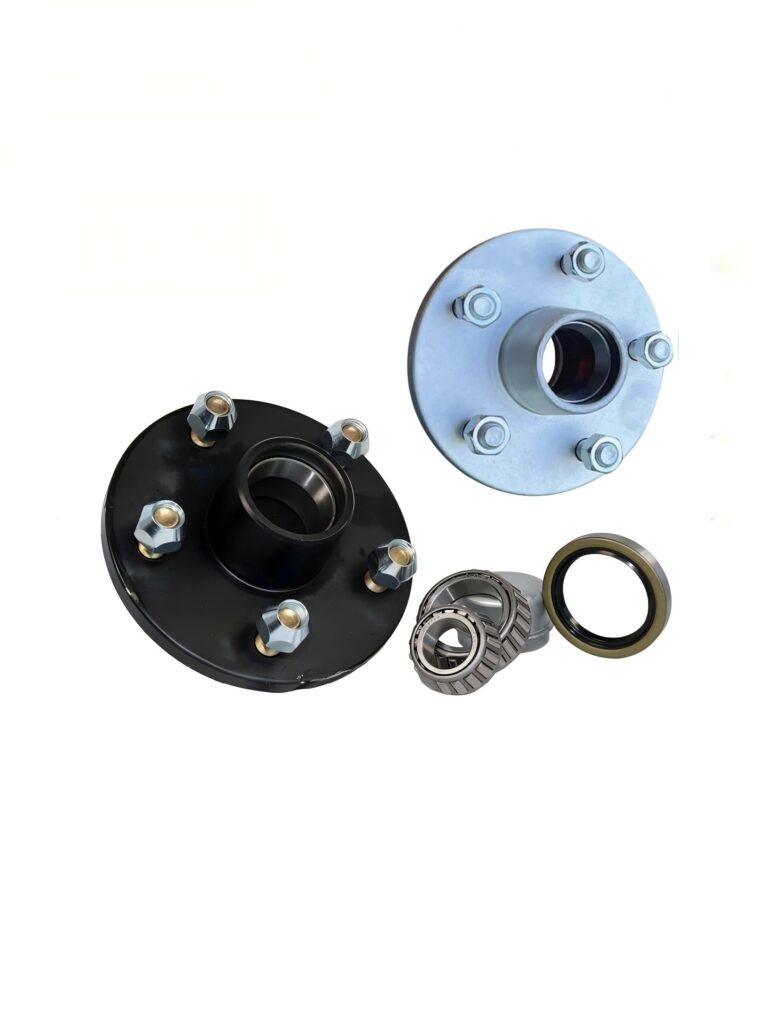
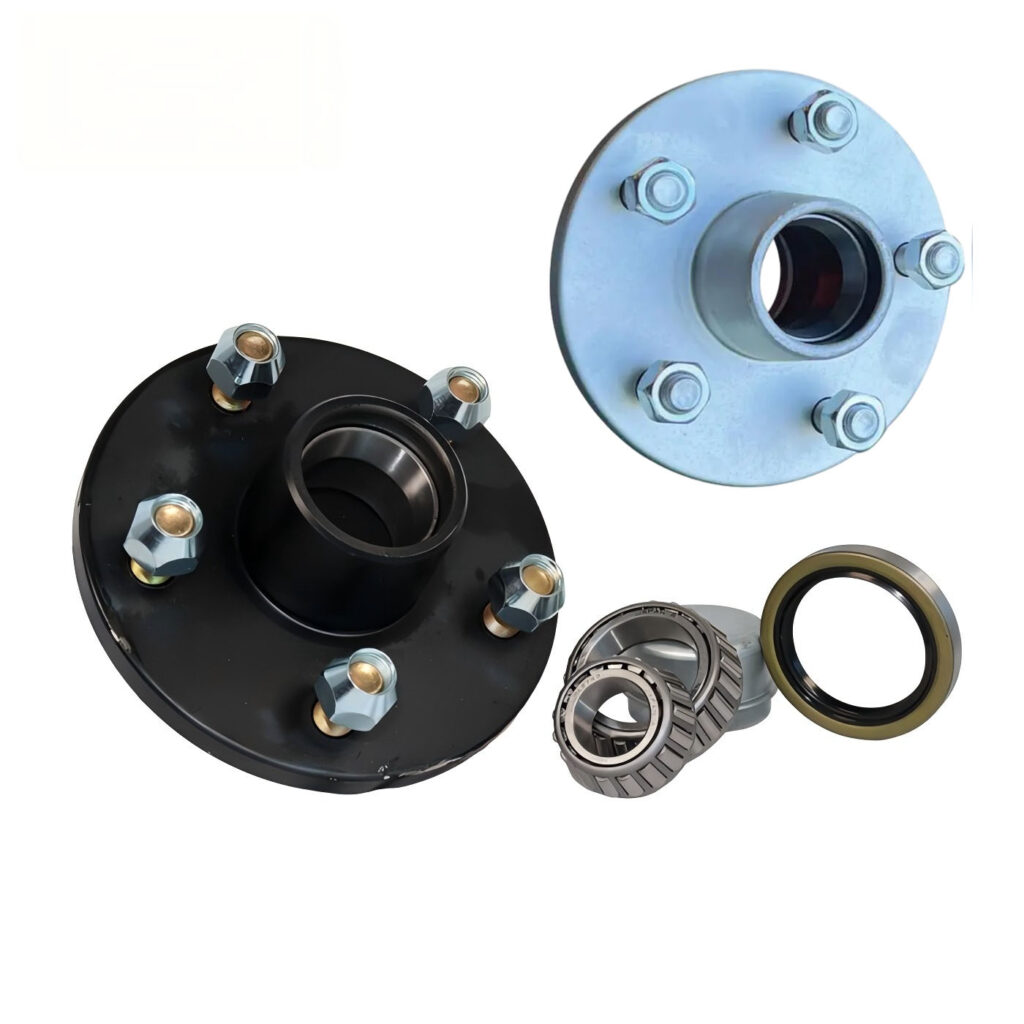
| Characteristic | Black Painting Process | Galvanizing Process | Dacromet Coating Process |
|---|---|---|---|
| Core Principle | Forms an organic coating through spraying to isolate air and moisture. | Forms a zinc metal protective layer on the substrate surface through electroplating or hot-dip galvanizing. | A water-based coating containing zinc/aluminum flakes and chromate (or environmentally friendly chromium-free formulas) is applied by dipping or spraying and then baked to form an inorganic coating. |
| Key Process Steps | 1. Pretreatment (alkali cleaning, rinsing, drying) 2. Surface Oxidation Treatment (enhances adhesion) 3. Spraying and Curing (often using high-temperature paint). | 1. Pretreatment (cleaning, pickling) 2. Electrogalvanizing or Hot-dip Galvanizing 3. Possible Chromate Passivation (e.g., yellow chromate, black chromate) for increased corrosion resistance. | 1. Pretreatment (degreasing, shot blasting) 2. Dip or Spray application of Dacromet coating 3. Baking and Curing (typically around 300°C). |
| Appearance | Black matte or semi-gloss, uniform and aesthetically pleasing. | Silvery white (zinc layer), iridescent (color passivation), or black (black passivation). | Characteristic silvery-gray metallic luster. Environmentally friendly chromium-free types also appear silvery white. |
| Corrosion Resistance | Fair. Depends on coating integrity and paint film quality; prone to rusting from damaged areas. | Good. The zinc layer provides sacrificial anode protection, offering continuous protection even with minor scratches. | Excellent. Salt spray resistance is typically 5-8 times or more better than traditional electrogalvanizing. |
| Heat Resistance | Requires specialized high-temperature resistant paint (>600°C), otherwise prone to scorching. | Fair. The zinc layer oxidizes and diffuses at high temperatures, with limited long-term high-temperature oxidation resistance. | Excellent. The cured inorganic coating can withstand higher brake operating temperatures. |
| Impact on Braking Performance | Strictly prohibited on the friction surface, as it would severely reduce the friction coefficient and cause brake failure. Only used on non-friction surfaces (e.g., cooling fins, inner cavity) for rust prevention. | Same as left. The friction surface must remain clean, bare metal. | Primarily applied to non-friction surfaces. If applied to the friction surface, coating uniformity and friction coefficient must be strictly controlled to avoid affecting braking stability. |
| Environmental Impact | Traditional solvent-based paints have VOC emission issues; water-based paints are more environmentally friendly. | Traditional galvanizing (especially with hexavalent chromium passivation) requires strict wastewater treatment and faces significant environmental pressure. | Traditional Dacromet contains toxic and harmful hexavalent chromium. The mainstream now is “Chromium-Free Dacromet”, complying with environmental standards like RoHS. |
| Other Advantages | Lower cost, multiple color options, relatively simple application. | Mature technology, moderate cost, good electrical conductivity. | No hydrogen embrittlement risk (important for high-strength parts), good penetration, strong adhesion (can reach grade 0-1). |
| Main Disadvantages | Poor wear resistance, easily scratched by stones, etc.; may age and chalk under prolonged high temperatures. | Challenging to control coating uniformity on complex workpieces; hot-dip galvanizing may affect dimensional accuracy. | Relatively low coating hardness and wear resistance; higher equipment investment and energy consumption. |
\ Get the latest news /